
Petrol and diesel prices may be hiked by up to Re 1 per litre each on August 15, the next due date for fuel price revision, in step with the surge in global oil prices.
Petrol prices in India are amongst the highest in the world.

The fiscal tilt towards capex benefits companies in investment-related sectors like capital goods, defence equipment, engineering & construction and metal & mining. The planned cut in revenue expenditure will weigh on companies in consumption sectors like FMCG, consumer durables and retail.
Goods transporters and petrol dealers association in Maharashtra claimed on Wednesday that they were being denied fuel at petrol pumps which could impact prices of commodities. "Our vehicles across the state are getting only about 70 per cent of the fuel and as a result of which they are being delayed (to reach destinations)," Prakash Gavali, president of the Maharashtra Rajya Truck Tempo Tankers Bus Vahtuk Mahasangh, which represents transporters, said.
The government is exploring various options, including a marginal hike in prices of petrol and diesel, and a possible duty cut to ease burden on state-run oil firms that are increasingly losing revenue due to global crude prices surging close to $100 a barrel. "We will do all that is possible to protect the interests of our PSUs," Petroleum Minister Murli Deora said after a brief meeting with Prime Minister Manmohan Singh on the issue on Friday.
The price of non-subsidised LPG, which customers buy after using up their quota of 12 subsidised cylinders, was raised by Rs 16.50 per 14.2-kg cylinder, the first hike in six months.

Jet fuel or ATF price on Wednesday was cut by almost 6 per cent after four rounds of monthly increases since July, while commercial cooking gas (LPG) rates were raised by a steep Rs 101.5 per 19-kg cylinder in line with international benchmarks. However, the price of domestic LPG - used in household kitchens for cooking purposes - remained unchanged at Rs 903 per 14.2-kg cylinder. Aviation turbine fuel (ATF) price was cut by Rs 6,854.25, or 5.79 per cent, in the national capital to Rs 111,344.92 per kl from Rs 118,199.17, according to a price notification of state-owned fuel retailers.
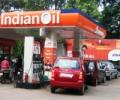
State-owned Indian Oil Corp (IOC) on Tuesday said it is losing about Rs 3 on the sale of every litre of petrol, but will decide on raising prices at an "appropriate" time.

GCMMF member daires do not rule out the possibility of price rise.

The government on June 25 deregulated petrol price and said the same for diesel will be done soon. But with inflation rate continuing to remain at unmanageable levels, the government put-off the decision as any further hike in diesel price would lead to cascading effect.

Petrol price was hiked by 30 paise per litre and diesel by 35 paise a litre, according to a price notification of state-owned fuel retailers. The seventh straight day of price hike pushed fuel rates to a new record high. The price of petrol in Delhi rose to its highest-ever level of Rs 104.44 a litre and Rs 110.41 per litre in Mumbai, the notification showed. In Mumbai, diesel now comes for Rs 101.03 a litre; while in Delhi, it costs Rs 93.17.
The rise in petro-product prices have been necessitated by rising global costs of petroleum and the fact that the price of petrol and diesel has not been increased in India since January 2004.
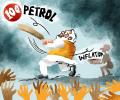
After Rajasthan, Madhya Pradesh and Maharashtra, petrol price has crossed the Rs 100-per-litre mark in Leh, in almost all districts of Andhra Pradesh and parts of Telangana after fuel prices were again hiked on Friday. Petrol price was increased by 27 paise per litre and diesel by 28 paise a litre, according to a price notification of state-owned fuel retailers. The hike - 18th in the last one month - took fuel prices across the country to a historic high. In Delhi, petrol hit an all-time high of Rs 94.76 a litre, while diesel is now priced at Rs 85.66 per litre.
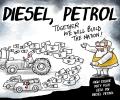
Petrol and diesel price soared to an all-time high across the country on Friday after rates were hiked again by 25 paise and 30 paise a litre, respectively. The price of petrol in Delhi rose it its highest ever level of Rs 101.89 a litre and to Rs 107.95 in Mumbai, according to a price notification of state-owned fuel retailers. Diesel rates too touched a record high of Rs 90.17 in Delhi and Rs 97.84 in Mumbai.

The spurt in rates, caused by the rally in international oil prices, has led to the oil ministry asking the finance ministry for a cut in excise duty in the Union Budget 2018-19, to be presented in Parliament next week.
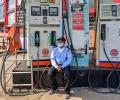
Petrol and diesel prices on Monday were hiked for the seventh day in a row as a rally in international oil prices took retail rates in India to new highs. Petrol price was increased by 26 paise per litre and diesel by 29 paise, according to a price notification of state-owned fuel retailers. This pushed retail rates, which differ from state to state depending on the incidence of local sales tax or VAT and freight charges, to their highest level. The hike took petrol price in Delhi to a record Rs 88.99 per litre and to a highest-ever rate of Rs 95.46 a litre in Mumbai.
After slamming the Centre for the steep hike in petrol price, West Bengal Chief Minister Mamata Banerjee on Saturday hit the streets in Kolkata, leading a massive protest march to put pressure on the United Progressive Alliance government for a roll-back. Banerjee, who was accompanied by Railway Minister Mukul Roy, party functionaries and thousands of Trinamool Congress workers, marched from Jadavpur to Hazra crossing, a distance of five km in south Kolkata.
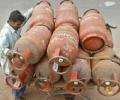
Diesel prices are still under control with subsidies.
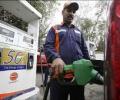
With vast disparity in fuel prices, the demand for diesel cars had reached upto 85 per cent and petrol cars had come down to 15 per cent, which otherwise usually remained at 50:50 per cent levels in India.
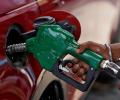
Petrol price on Wednesday touched a new high of Rs 84.45 per litre in the national capital after state-owned fuel retailers hiked prices after a five-day hiatus. Petrol and diesel prices were hiked by 25 paise per litre each, according to a price notification from oil marketing companies. In Delhi, petrol now costs Rs 84.45 per litre and diesel is priced at Rs 74.63. In Mumbai, petrol comes for Rs 91.07 a litre and diesel for Rs 81.34. This is the highest ever price of petrol in Delhi, while diesel is at a record high in Mumbai.
The average price of Indian basket of crude oil during 2007-08 (upto August) has increased to $68.34 per barrel as compared to 62.46 dollars a barrel during 2006-07.
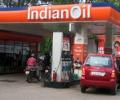
Attributing the steep hike in petrol prices to declining value of rupee, Planning Commission on Wednesday said it will have immediate impact on the price situation but things will stabilise in the long run.

Every year, carmakers announce at the end of November or December their plans to increase prices of their vehicles by January.
In an apparent U-turn, Dravida Munnetra Kazhagam chief M Karunanidhi rejected reports that he has threatened a pullout from the United Progressive Alliance government over the recent petrol price hike.
The Communist Party of India (Marxist) Politburo member Brinda Karat came down heavily on Trinamool Congress chief and West Bengal Chief Minister Mamata Banerjee and some other UPA allies terming them as 'hyprocrites' on various issues, including the petrol price hike.
A week after the steep hike in petrol prices by Rs 5 a litre, the government on Monday said a ministerial panel is likely to meet in the next few days to take a decision on raising diesel, LPG and kerosene rates.
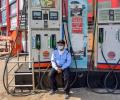
Petrol price on Tuesday breached the Rs 85 a litre mark in the national capital and diesel neared record high after rates were raised for the second consecutive day. Petrol and diesel prices were hiked by 25 paise per litre each, according to a price notification from oil marketing companies. This took the petrol price in Delhi to Rs 85.20 per litre and to Rs 91.80 in Mumbai. Diesel rate climbed to Rs 75.38 a litre in the national capital - just shying away from its record high - and to an all-time high of Rs 82.13 in Mumbai, the price data showed.
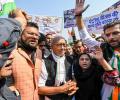
The Congress took out marches and observed bandh at several places on Saturday to protest against rising fuel prices.
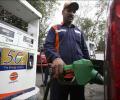
An increase in petrol, diesel, domestic cooking gas (LPG) and kerosene prices looks "imminent" after the Finance Ministry said it has no money to provide for fuel subsidy.

'I have no problems with the finance ministry or with state governments treating petrol pump prices as the last resort for meeting their ambitious spending targets with very limited revenue resources.' 'But let's do away with this smokescreen of free pricing of petrol and diesel and go back to administered pricing regime,' says Dr Sudhir Bisht.

In the next quarter, the country will also start gearing up for various Assembly elections could put the government as well as the OMCs under pressure
State-owned oil companies have announced a hike in petrol prices between 37 and 40 paise in the major cities, while diesel will be costlier by 37 to 44 paise with effect from midnight on Friday.

Maruti Suzuki India will increase the prices of its vehicles 'substantially' from next month as it looks to offset the impact of rising input costs and make provisions to update the model range to conform to stricter emission norms which kick in from April 2023. In a regulatory filing on Friday, the country's largest carmaker said it continues to witness increased cost pressure driven by overall inflation and recent regulatory requirements. While the automaker makes maximum effort to reduce cost and partially offset the increase, it has become imperative to pass on some of the impact through a price increase, it added.
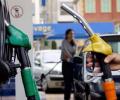
The Union government will gain close to Rs 1.6 lakh crore in additional revenues this fiscal from a record hike in excise duty on petrol and diesel that has pushed the total incidence of taxation on auto fuels to 70 per cent of the price. Late on Tuesday evening, the government hiked excise duty on petrol by Rs 10 per litre and that on diesel by Rs 13 a litre to mop up gains arising from international oil prices falling to a two-decade low.
The government will decide on increasing petrol, diesel, LPG and kerosene prices within the next 24-48 hours.

Oil companies on Monday slashed petrol price by Rs 3.02 per litre.
The oil ministry is in fact of the view that the government should bear the entire burden of the revenue losses incurred by the oil marketing companies, after the increase in prices is effected.
Key United Progressive Alliance allies Trinamool Congress and Dravida Munnetra Kazhagam on Saturday mounted pressure on the Centre to rollback the steep hike in petrol price with Trinamool Congress supremo Mamata Banerjee leading a street march in Kolkata against the government of which her party is a part.
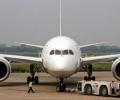
Jet fuel (ATF) price was on Monday hiked by a steep 56.5 per cent and that of non-subsidised cooking gas LPG by Rs 11.5 per cylinder on the back of firming up of international oil rates, but petrol and diesel prices continued to remain on freeze for a record 78th day. Aviation turbine fuel (ATF) price was hiked by Rs 12,126.75 per kilolitre (kl), or 56.5 per cent, to Rs 33,575.37 per kl in the national capital, according to a price notification by State-owned oil marketing companies.

The recurrent increases in fuel prices over the past 10 days are eating into the margins of transporters, who will be forced to pass on the hikes to their customers. This, in turn, is set to make the prices of daily consumables and other goods dearer, affect consumption, and slow economic growth, said transporters and analysts. Freight rates on grand trunk routes have shot up 3-4 per cent month-on-month in the past few days, according to the Indian Foundation of Transport Research & Training (IFTRT).
